
Build your box
Pick the toys yourself. The more you add, the less each one costs, and the parent guides come free.
-
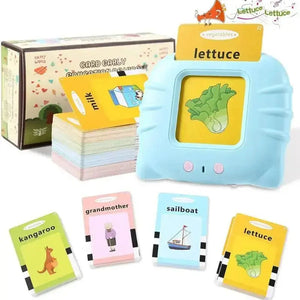
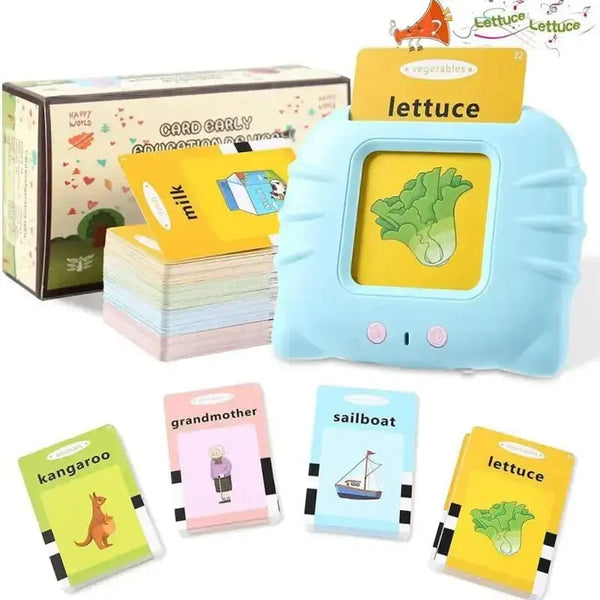
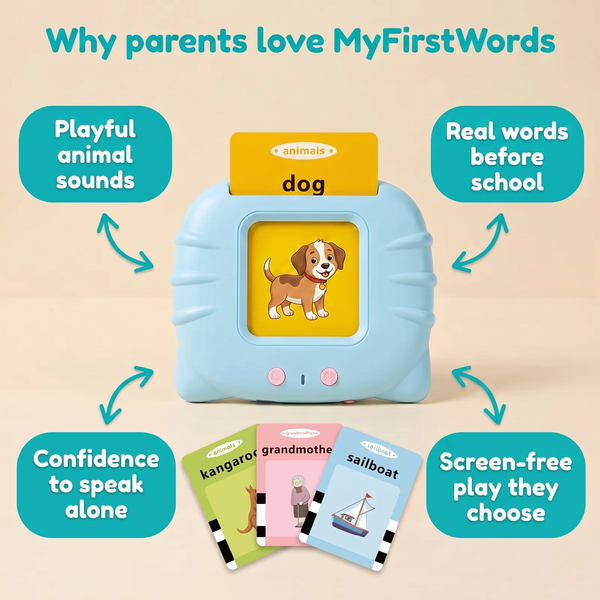
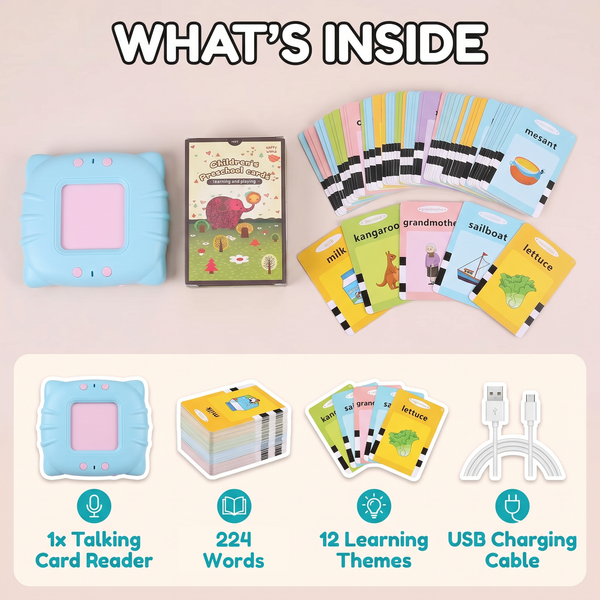
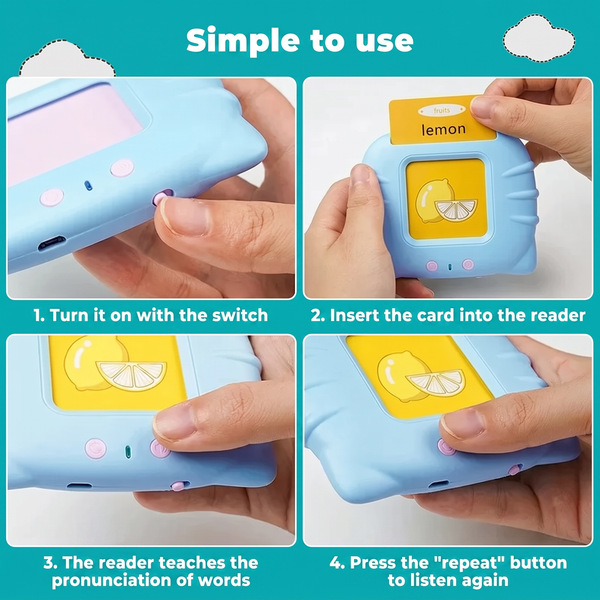
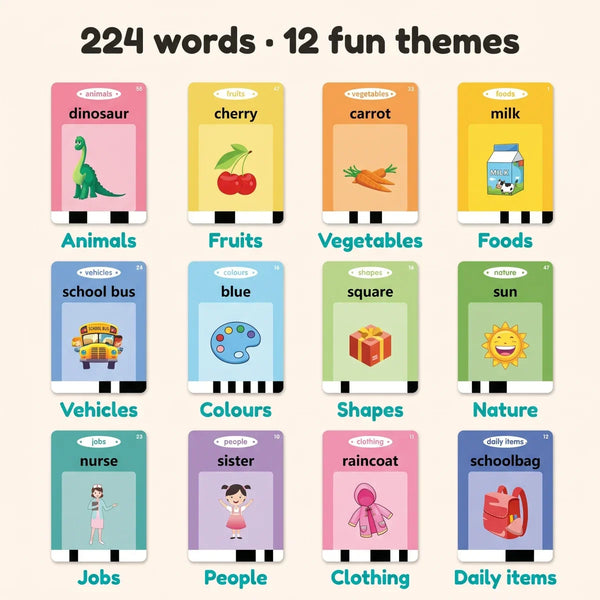
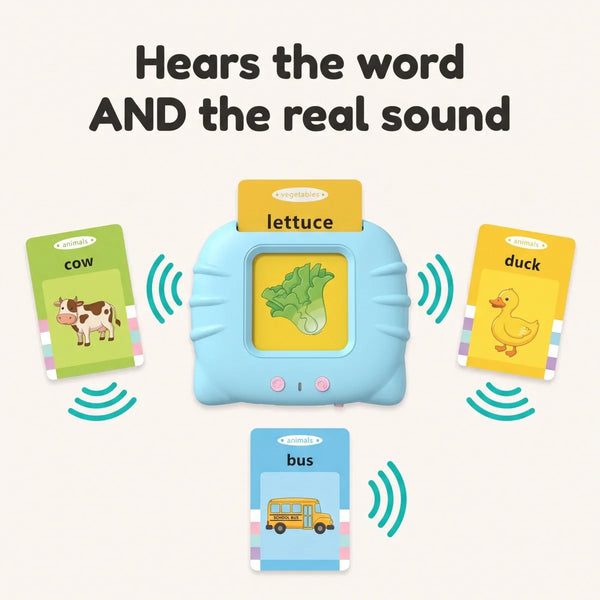
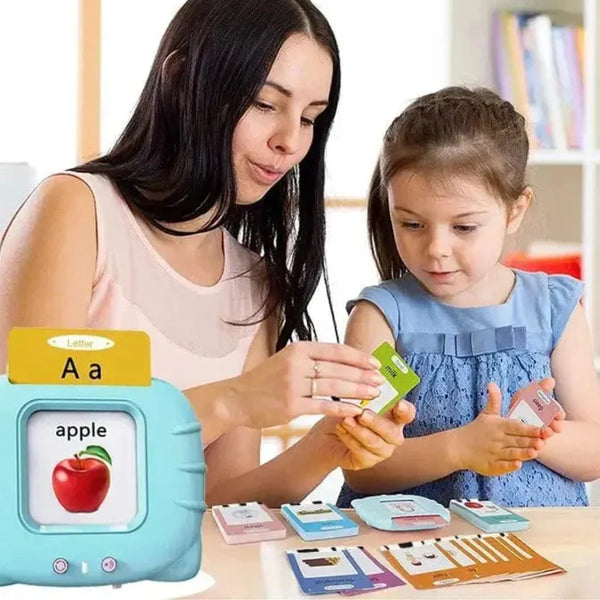
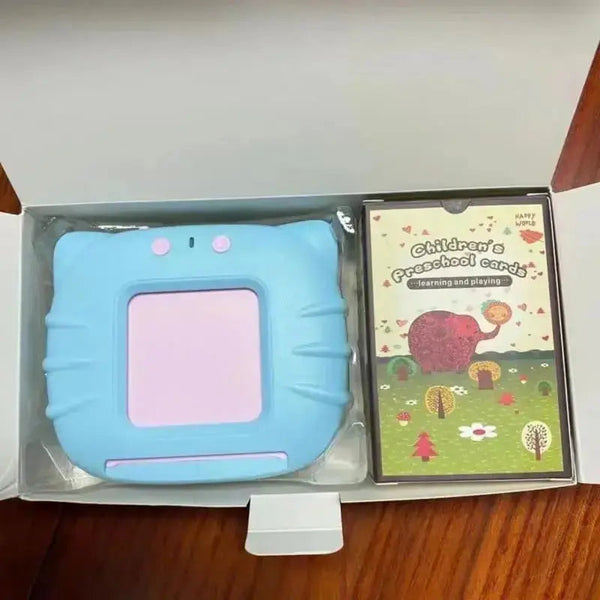
MyFirstWords™
$29.99in your boxColorLanguage -
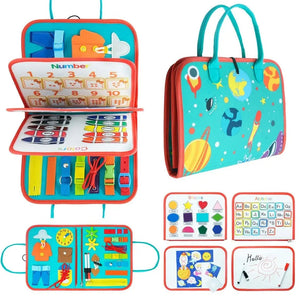
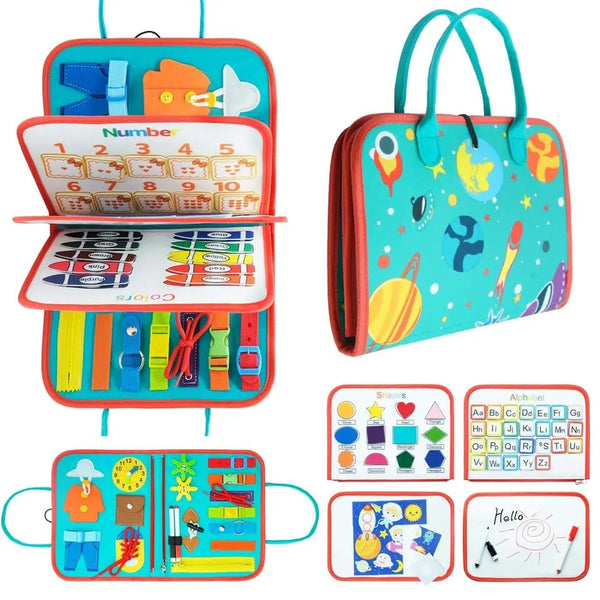
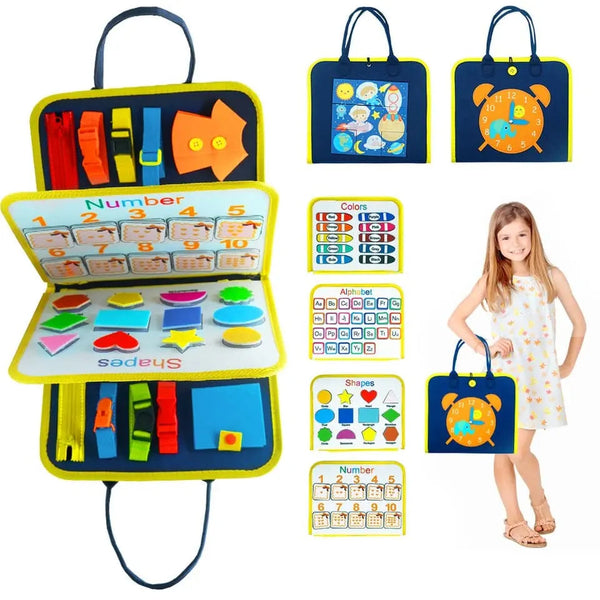
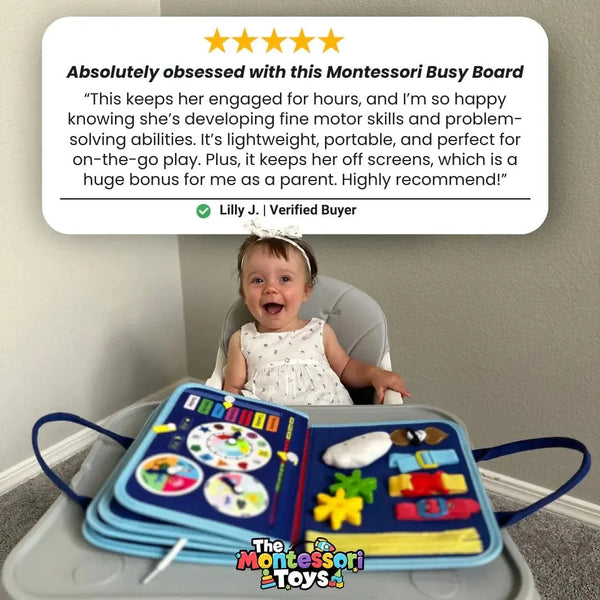
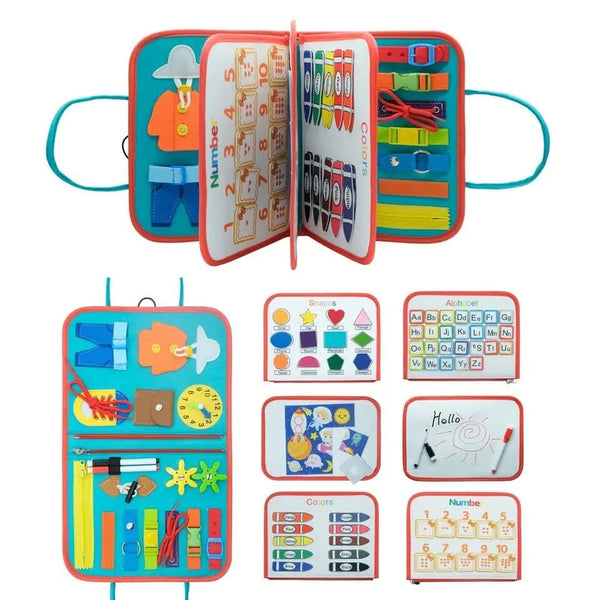
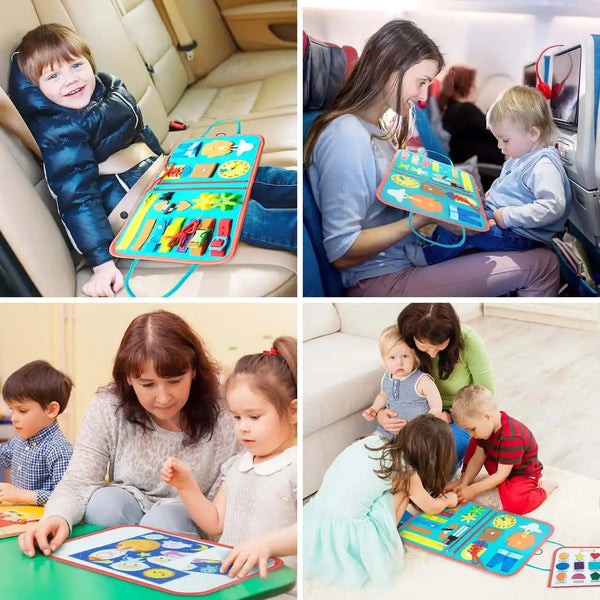
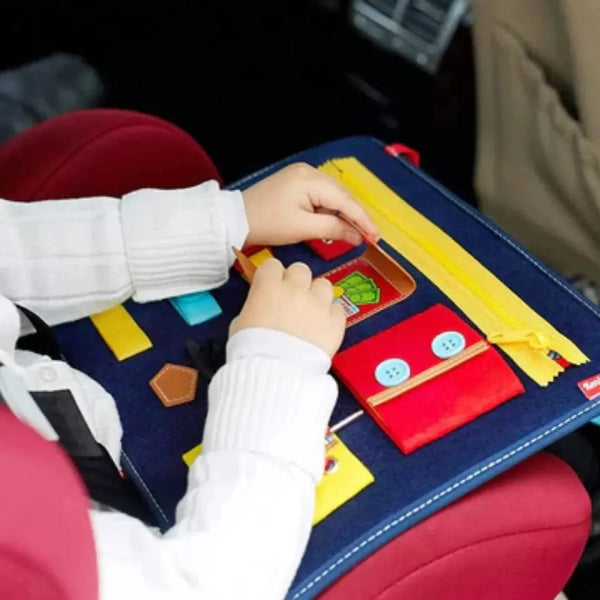
7-in-1 Sensory Busy Board
$29.99in your boxColor -
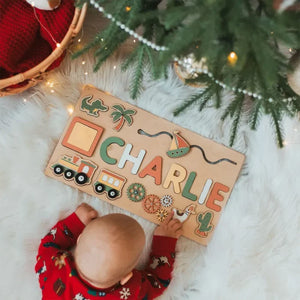
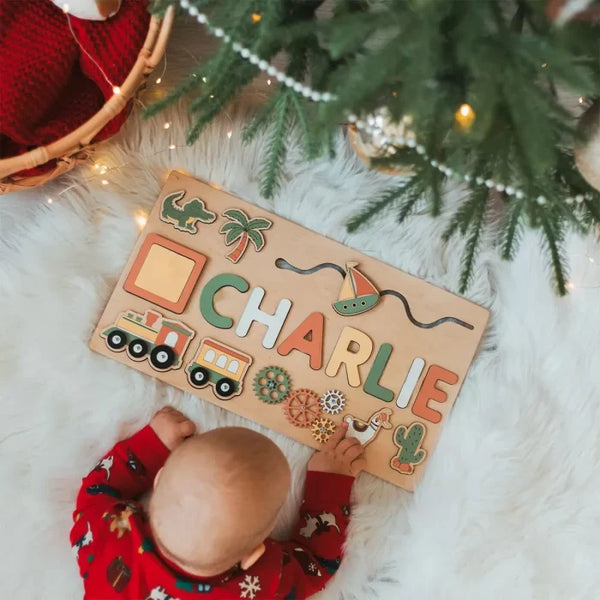
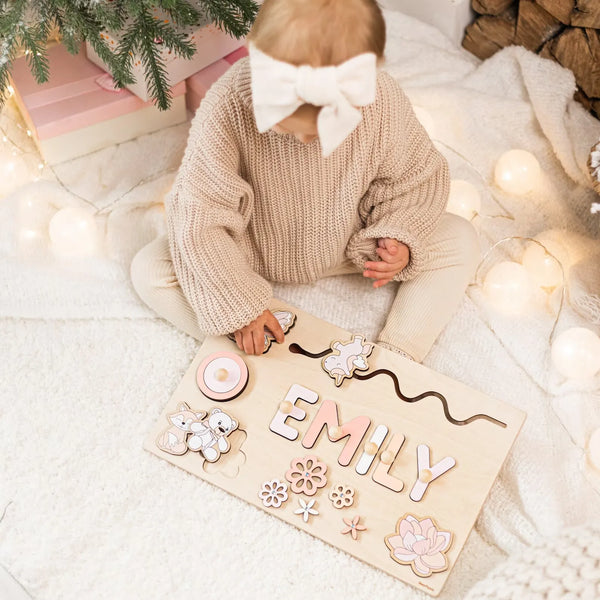
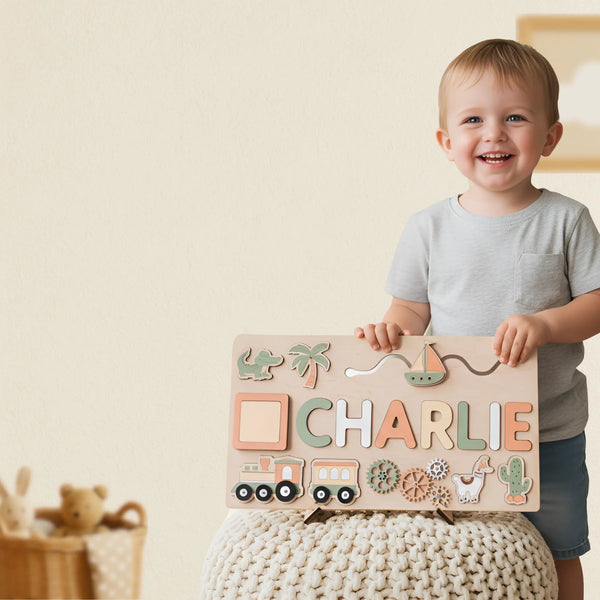
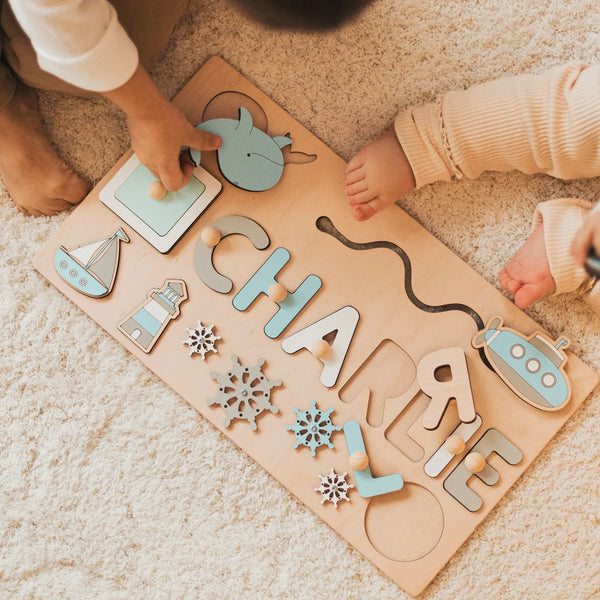
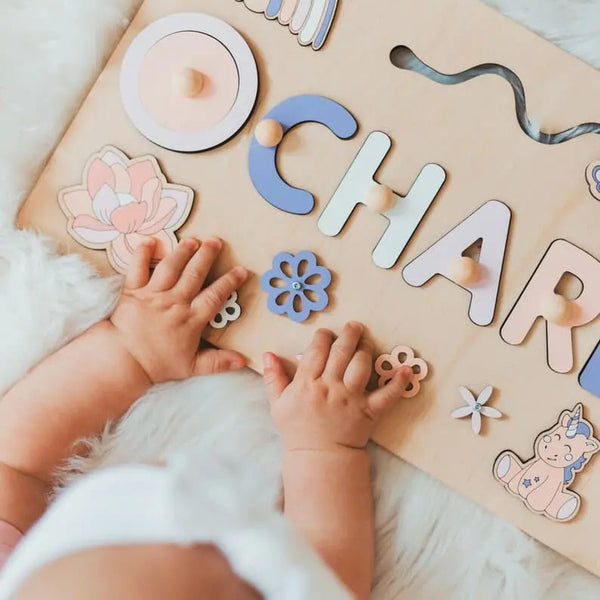
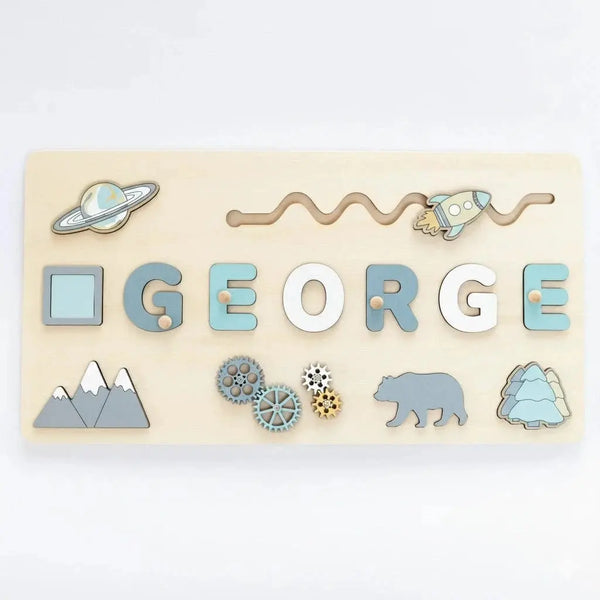
Personalized Name Puzzle
$39.99in your boxModelCut to order, up to 12 letters.
Engraved on the back, up to 40 characters.
-
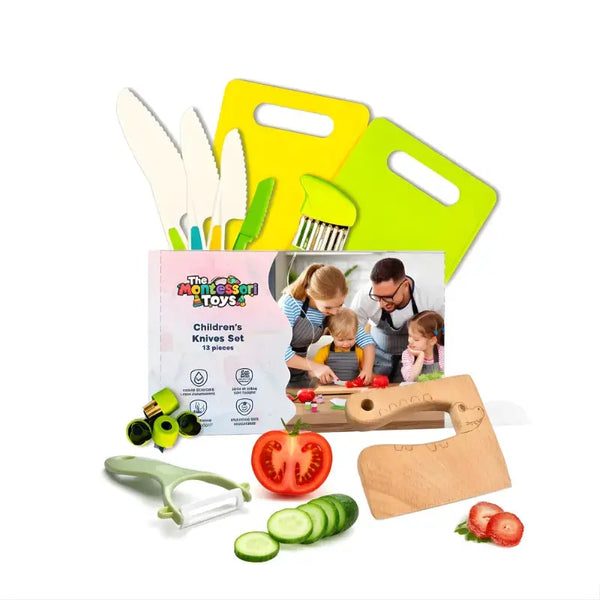
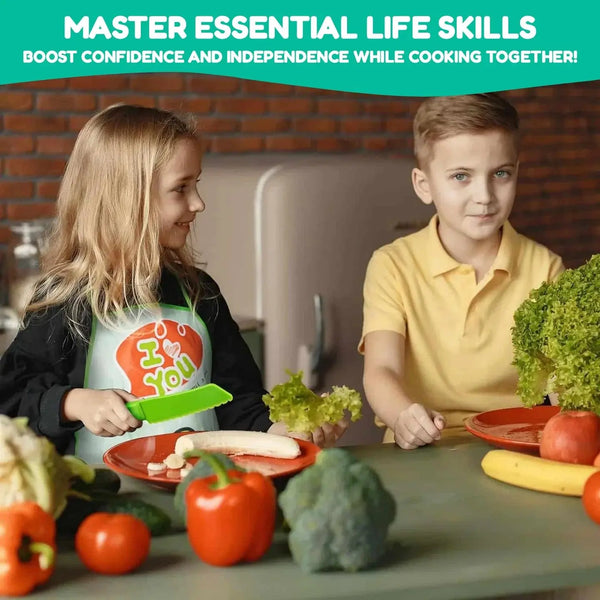
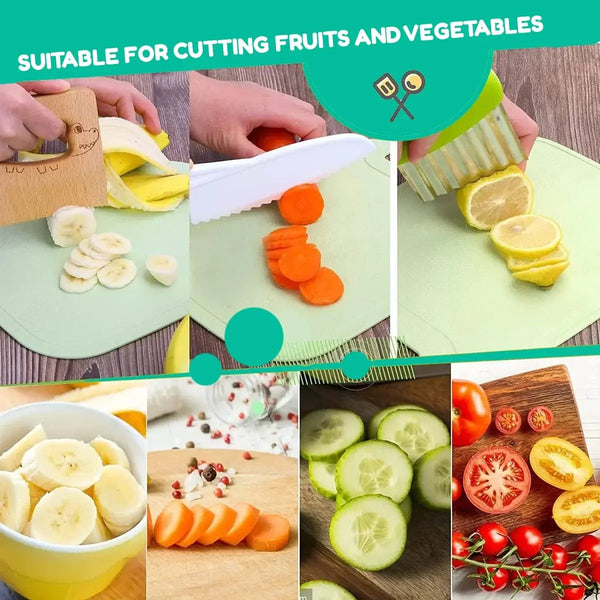
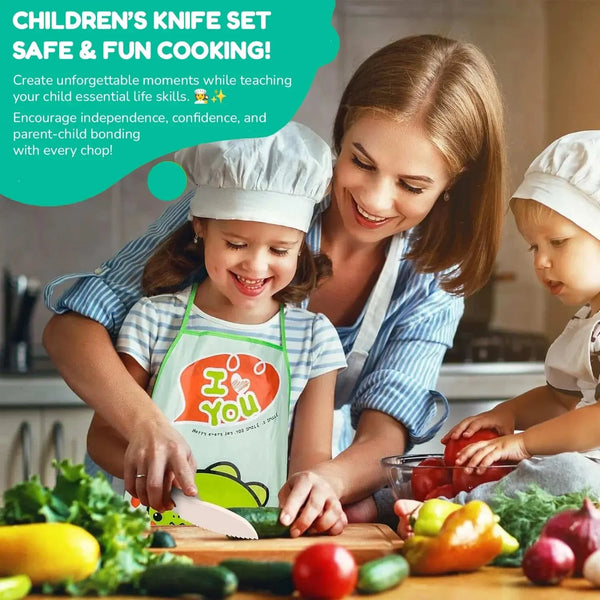
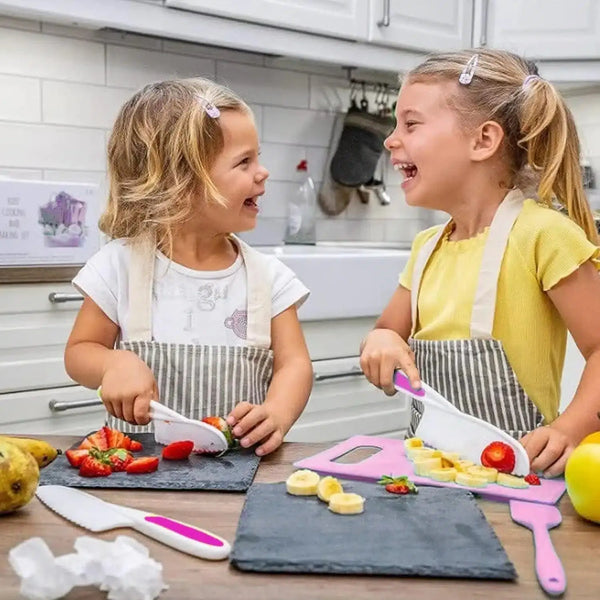
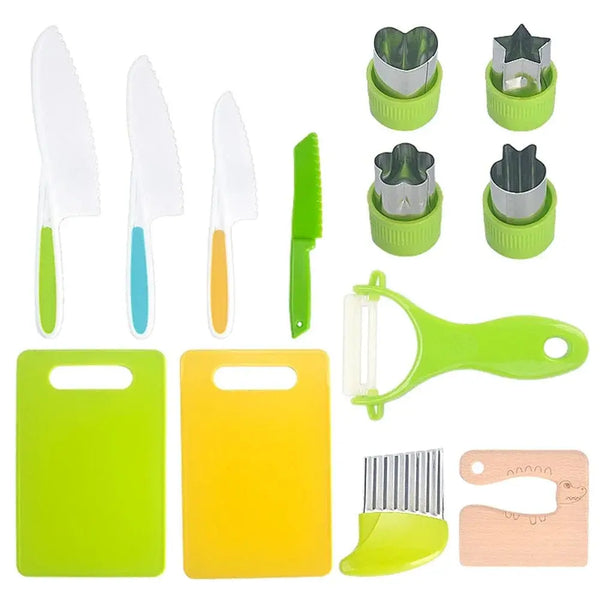
Educational Kitchen Set for Kids
$29.99in your box






Which free guides do I get?
These are ours, written for the ages our toys are made for. A box of 2 comes with 2 of them, a box of 3 with 4, and a box of 4 with all six.
-
The Building Years: A Guide to Problem-Solving and Frustration Tolerance (3-6 Years)
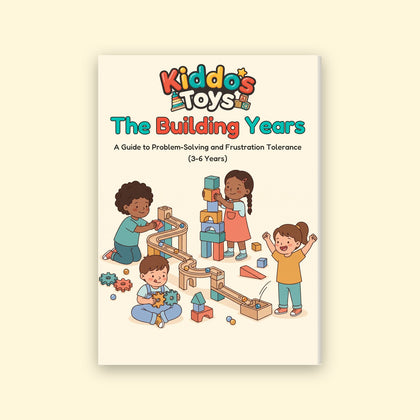 Open the full page
The tower falls for the third time. Instead of rebuilding it, your child sweeps the whole thing across the floor and announces that it is stupid and they are never doing it again.
That looks like a temper problem. It is more useful to treat it as a skill problem, because staying with a difficult thing long enough to solve it is a skill, and it is built out of very ordinary afternoons with things that fall over.
What is inside:
- The window where learning happens, and how to spot it
- What to say when they are stuck, as a ladder from saying nothing upwards
- Why praising a child for being clever makes them avoid hard things
- An honest account of what spatial reasoning does and does not predict
14 pages. Instant PDF download, readable on a phone, a tablet or printed.
-
Their First Word Is Their Name: A Guide to Letter Recognition and Early Literacy (2-5 Years)
 Open the full page
Almost every parent of a three-year-old has asked the same question. Should they know their letters by now? A cousin's child can recite the alphabet. Ours cannot.
The honest answer is that the alphabet is one of the later and smaller parts of learning to read, and that the skills which matter most are oral, invisible, and probably already happening in your house. With one exception: their own name, which does not follow the ordinary rules at all.
What is inside:
- What reading actually requires, and why the alphabet is not first
- Phonological awareness, the best early predictor, built without a single worksheet
- The order letters are really learned, which is not A to Z
- The pre-writing shapes that have to come before letters
14 pages. Instant PDF download, readable on a phone, a tablet or printed.
-
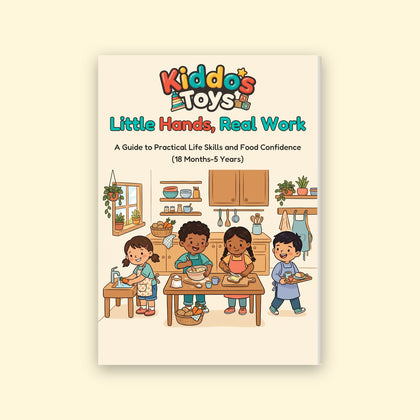
Little Hands, Real Work: A Guide to Practical Life Skills and Food Confidence (18 Months-5 Years)
 Open the full page
Around eighteen months a child starts trying to do whatever you are doing. They reach for the spoon. They want to carry the plate. They stand at the dishwasher, in the way, completely certain they are helping.
It is inconvenient, and it is the shortest window you will get. This guide is about using it, and about why handling food turns out to matter more at the table than any amount of persuading.
What is inside:
- Why the food they loved at one is refused at two, and what it is for
- The division of responsibility that ends most mealtime conflict
- Knife work, taught safely and in stages from 2.5 years
- Kitchen jobs by age, and what each one is really building
14 pages. Instant PDF download, readable on a phone, a tablet or printed.
-
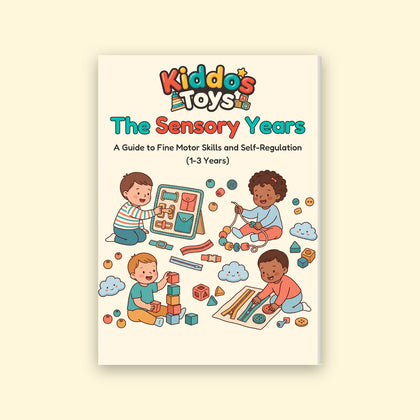
The Sensory Years: A Guide to Fine Motor Skills and Self-Regulation (1-3 Years)
 Open the full page
Somewhere after the first birthday, two things start at once. Your child's hands become tools: they pinch, twist, stack and pull apart. And their emotions become weather.
Most advice treats those as separate problems. They are not. They are one nervous system learning to do two jobs at the same time, and understanding the link changes what you do about both.
What is inside:
- The eight senses, including the two that explain most toddler behavior
- What hands can do at 12, 18, 24 and 36 months
- Why occupied hands settle an overwhelmed nervous system
- Fasteners in the order they are genuinely learnable
14 pages. Instant PDF download, readable on a phone, a tablet or printed.
-
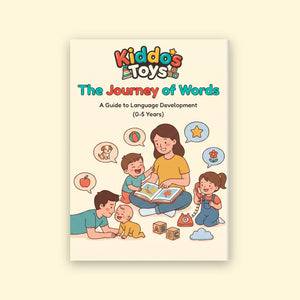
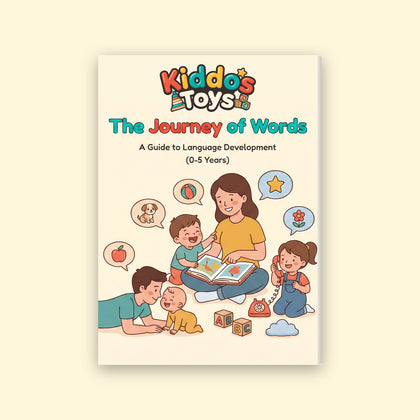
The Journey of Words: A Guide to Language Development (0-5 Years) - Ebook
 Open the full page
Language is the bridge connecting a child's inner world to the world outside. From the first cry to complex sentence construction, the journey of acquiring language is one of the most miraculous and rapid developmental feats a human accomplishes.
This eBook is designed to be your essential guide, providing parents and caregivers with clear, phase-specific information and practical tools to understand and support their child's language development from birth to their first day of school. 14 pages.
-
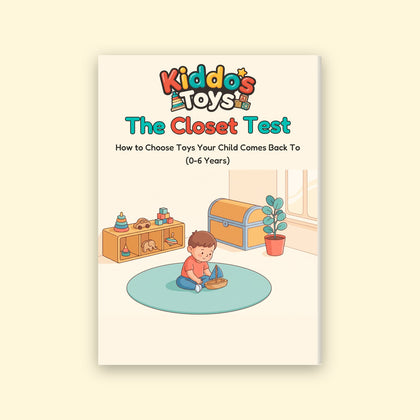
The Closet Test: How to Choose Toys Your Child Comes Back To (0-6 Years)
 Open the full page
Every home with a small child has one. It was expensive, it was requested, it was played with intensely for four days, and it has been at the back of a closet ever since. Meanwhile a set of secondhand wooden blocks has been in daily use for two years.
The difference is not random and it is not about price. This guide is about what the survivors have in common, and how to spot it before you pay.
What is inside:
- The one question that predicts whether a toy will last
- Why fewer toys out at once produces deeper play
- Rotation, done simply enough that it survives past March
- What the word educational means on a box, which is nothing
14 pages. Instant PDF download, readable on a phone, a tablet or printed.

PDFs, sent to your email after checkout. Read them on a phone, a tablet, or print them.